Join Alex Thomson Racing and Nokia Bell Labs as they share an insight into the work that took place in the lead up to the Vendée Globe 2020 to ensure that Alex was better connected than ever before, as he raced solo around the world.
While sailing offshore, particularly for a long duration of time, staying connected is key. Skipper Alex Thomson and his team were especially cognizant of this when preparing for the Vendée Globe – the single-handed, non-stop round-the-world yacht race that happens every four years.
For a better part of a decade, Alex Thomson Racing relied on an alternative satellite communications system, which they found to have some restrictions. When Alex Thomson Racing’s Technology Partner, Nokia Bell Labs joined the team in 2018, their experts measured the throughput, latency and reliability of the previous communications system used to understand the baseline and look at alternative connectivity options holistically.
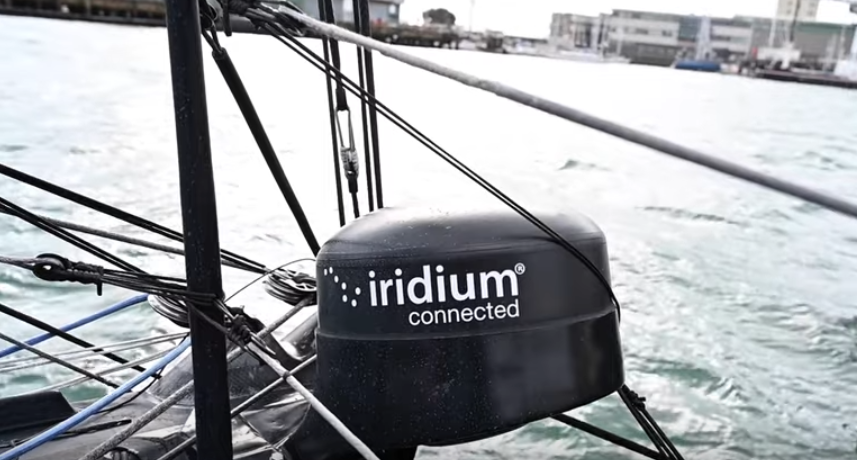
With faster speeds, more affordable available data, and light-weight robust hardware, they chose the Thales VesseLINK™ terminal using Iridium Certus® service to provide communications onboard the team’s new HUGO BOSS yacht. Iridium® is the only satellite network with reliable, truly global connectivity, even in adverse weather conditions, which is why Alex and other IMOCA skippers rely on Iridium to stay connected while they compete.
Jesse Rowse, Alex Thomson Racing’s Technical Team Manager shared a few major ways Iridium connectivity plays a critical role in supporting Alex at sea. “Over the course of the Vendée, we were able to have Alex, onboard HUGO BOSS, remain more connected to shore than ever before, and there’s a lot of reasons for that. One, we do have more available bandwidth on a regular basis, which means he can send large video files whenever he wants,” said Jesse.
“Because of the reduced cost and stable connection, the boat’s online every day. This means Alex is running WhatsApp, and this level of connectivity is unbelievable compared to anything we used to do. All of this is a huge departure to where we were at five or ten years ago.”
– Jesse Rowse
Iridium connectivity supported Alex’s performance by enabling him to get position updates and know where competitors were on the racecourse. It was also critical to making decisions on which route to sail safely and efficiently, made possible by downloading weather and satellite imagery in real time. Connectivity also helped to make the race interactive by allowing Alex to connect with fans and interview with media at sea to easily bring his journey to life. Perhaps most significantly for Alex was being able to stay in touch with family and friends.
“Alex commented that he was incredibly pleased. He had never been able to have a 40-minute WhatsApp call with his family without it being interrupted,” shared Thierry Klein, Head of Industrial Automation Lab, Nokia Bell Labs. “He was incredibly pleased with the amount of data he could send and the reliability, stability and robustness of the connection.”
Iridium and our partner Thales are proud to be the official communications partner of IMOCA (International Monohull Open Class Association). IMOCA racing yachts are equipped with the Thales VesseLINK™ 700 L-band broadband terminal powered by Iridium Certus, enabling high-speed global connectivity for skippers anywhere they sail.
To celebrate Earth Day, we wanted to share some of the innovative ways the Iridium® network is supporting polar scientific research and environmental monitoring applications in the polar regions. As the only communications network that provides reliable, truly global coverage, Iridium’s unique network architecture makes it the provider of choice from pole-to-pole.
Iridium is uniquely qualified to bridge the scientific and business communities due to its one-of-a-kind service coverage in the Arctic and Antarctic, helping researchers improve their assessments by providing real-time data for tracking sea levels, temperatures, water salinity, composition of the atmosphere, and more. In fact, new data is being collected and analyzed on an almost daily basis to help scientists study the climate, weather, geology and wildlife of these unique regions.
Iridium leverages our 450+ partners’ specialized knowledge and resources to deliver innovative solutions to users across a diverse set of industries around the globe. Our partners have created some of the world’s most innovative polar loT solutions in operation today, all powered by our unique pole-to-pole satellite constellation.
Here are just a few examples of the unique applications and ways the Iridium network is supporting connectivity in the polar regions:
Autonomous Underwater Vehicles
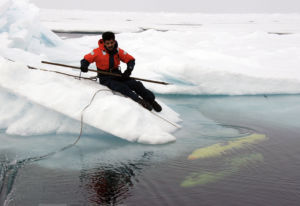
The Woods Hole Oceanographic lnstitute‘s SeaBED AUV (autonomous underwater vehicle) ‘Jaguar‘helped produce the world’s first detailed, high-resolution 3-D maps of Antarctic sea ice. This is useful for marine biological, geological, and archaeological applications that all share the need for high resolution optical and acoustic imaging of the seafloor1.
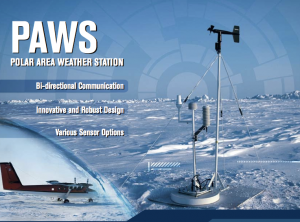
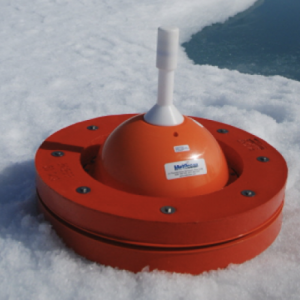
TheMetOcean Polar Automated Weather Station, also known as PAWS, takes measurements of air, ice and ocean temperatures, along with snow depth and ice thickness. It utilizes the Iridium network to send aggregated data from a variety of sensors, including acoustic snow depth sounders, air temperature probes, and acoustic ice sensors located below the arctic ice.
Photo Credit: MetOcean
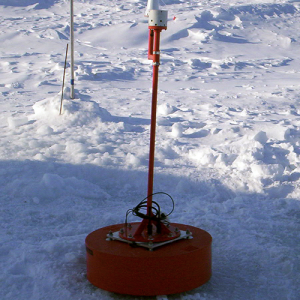
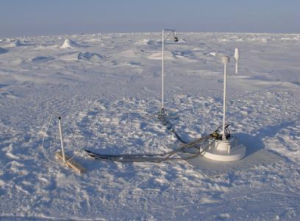
Another solution from Iridium partner MetOcean is the Polar Ocean Profiling System, also known as POPS. POPS is an ice platform, which logs and transmits meteorological and oceanographic data. The design is compact and lightweight to allow for easy deployment. Data is transmitted in real time over the Iridium network, providing critical information from regions where no other communications path is as reliable as Iridium.
Photo Credit: MetOcean
Ocean Buoys
The UpTempO from MetOcean is an Iridium network-based reporting data collection and processing system, designed for oceanographic and polar applications. The system can operate unattended in the harshest of climates and conditions. Another solution by MetOcean is the Surface Velocity Program (SVP, iSVP), a compact polar weather station that is air-deployable, buoyant, ruggedized, and ideal for remote and harsh environments. It was developed to assist meteorological and oceanographic scientific communities and transmits sensor data crucial for weather forecasting.
Photo: The MetOcean Telematics Inductive Modem UpTempO buoy, Credit: MetOcean
Ice Mass Balance Buoys, installed by the U.S. Army Corps of Engineers, measure the Arctic sea ice cover. Designed for multi-year service, the Seasonal Ice Mass Balance Buoy (SIMB) program was developed in response to the recent dramatic shift to a younger, thinner ice cover. Data is collected and transmitted back through the Iridium network to provide knowledge needed for insight on fundamental sea ice thermodynamic processes to help researchers understand complex atmospheric-ice-ocean interaction.
Photo credit: U.S. Army Corps of Engineers
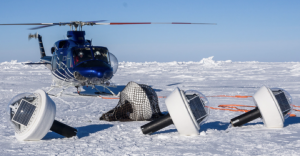
Wave Measurement Buoys, installed by the Office of Naval Research’s Sea State mission, measure wave movements in the western Arctic Ocean. Four types of buoys were released and monitored over 1-3 days: SWIFT (by APL-UW), Wave Buoys (by Polar Scientific, Ltd), Wave-Ice buoys (by NIWA), and Waverider G4 (by Datawell) to produce valuable scientific measurements to increase fundamental knowledge and provide technology options for future naval capabilities and systems.
Photo: Wave-ice buoys, Credit: SBG Systems
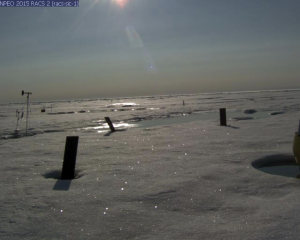
Ocean Profiler Buoys are deployed by the North Pole Environmental Observatory (NPEO) to monitor environmental changes at camp Barneo in the upper Arctic Ocean. The buoys transmit throughout the harsh winter months and provide researchers with valuable real-time temperature and salinity data using the Iridium satellite constellation.
Photo Credit: Webcam image from NPEO
Autonomous Ozone Buoys are stationed on the Arctic sea ice to measure ozone levels, bromine monoxide radicals, CO2, and other parameters, for up to a year without human intervention. The O-Buoys relay data back to land every hour via satellite. Having access to real-time data is vital for chemical and organic research and can only be achieved using the Iridium satellite network.
Exploration
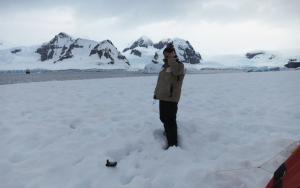
One of the best ways to celebrate Earth Day is to get out and explore our beautiful planet. Iridium employee Sam Wright visited Antarctica and stayed connected with an Iridium GO!® device. This allowed him to enjoy visiting the icy continent for the first time knowing he could get in touch with family and friends at home.
Photo Credit: Sam Wright
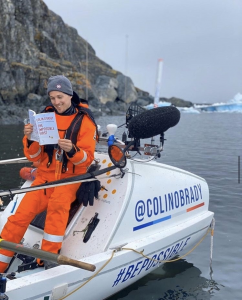
Explorer Colin O’Brady stayed connected with Iridium when he successfully completed The Impossible Row – the world’s first completely human powered ocean row across Drake Passage – from the southern tip of South America to Antarctica. Iridium was the only option to keep Colin and his team connected on this dangerous expedition.
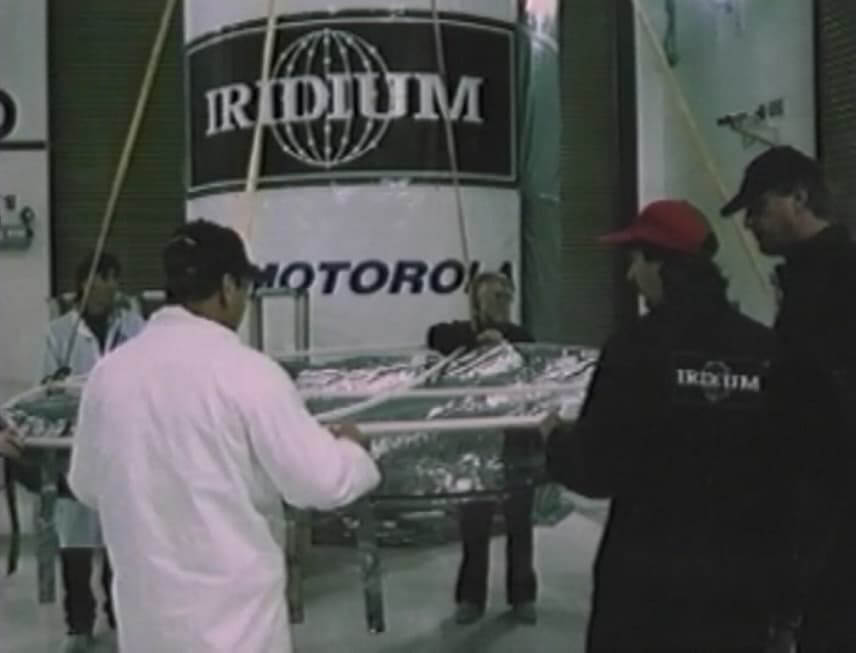
The Iridium Online Museum is a tribute to the thousands of people who have helped shape our story over the years, many of whom are still closely involved today. Development of this museum began shortly after the conclusion of the Iridium® NEXT launch program in order to highlight our company’s history dating back to the conception of the original Iridium constellation in the late 1980s. The goal of the museum is to tell the Iridium story and provide a platform for our team, Iridium alumni, partners, students, industry players, and others to learn, engage, share, and be inspired!
We hope you enjoy exploring Iridium’s rich history through 10 interactive virtual exhibits, from the early days within Motorola, through the infamous bankruptcy, to the rise of the successful global company that we are today.
Below, you will see a set of 10 clues that share fun facts found in the Iridium Online Museum. They will start off easy but – be warned – will increase in difficulty as you get closer to the end! You will be able to find the answer by going to the section of the Iridium Online Museum highlighted in bold under each clue. We hope parents and children of all ages enjoy exploring the museum together and discover something new! www.iridiummuseum.com
Clue #1:
Iridium: An Overview
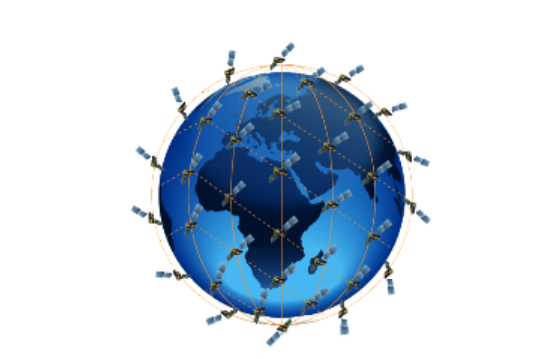
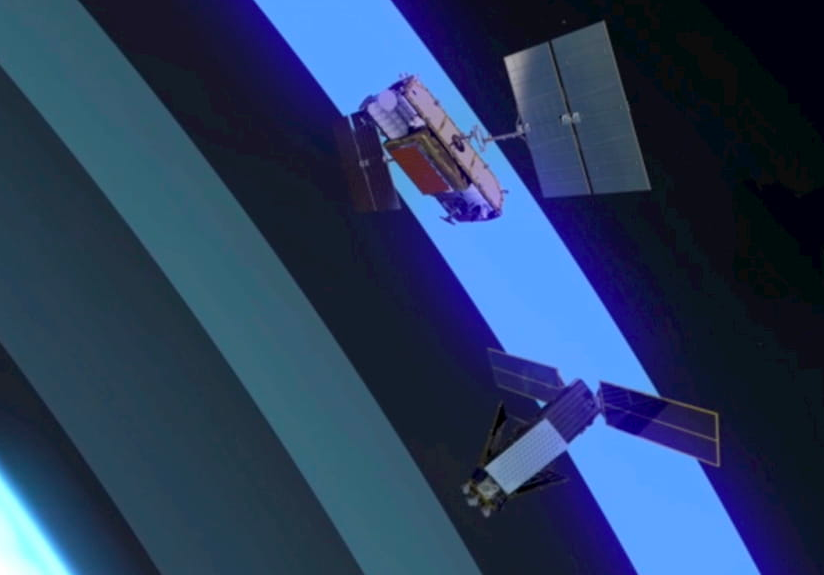
The original constellation design included 77 satellites, giving our company the name “Iridium.” Later, engineers discovered only ______ satellites were needed to provide coverage to the entire planet.
Clue #2:
Iridium: An Overview
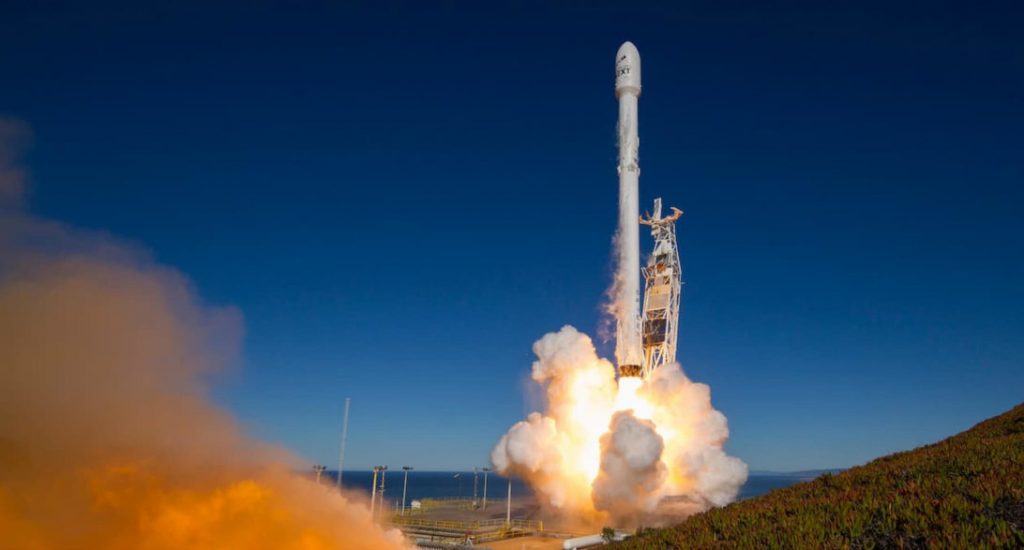
Which rocket launch company did Iridium partner with to send 75 new satellites into orbit during the Iridium NEXT launch program? ____________
Clue #3:
T-Minus 10 Years to First Launch
In the original Iridium launch campaign, satellites were produced as quickly as every ________ days.
Clue #4:
T-Minus 10 Years to First Launch
During their lifespans, the first-generation Iridium satellites completed approximately 100,000 orbits of Earth and traveled ________ miles.
Clue #5:
An Ecosystem of Excellence
After the reborn Iridium signed its first contract with the U.S. Department of Defense, _______ innovative companies partnered with Iridium as its Iridium’s first service providers.
Clue #6:
Iridium’s Next Step
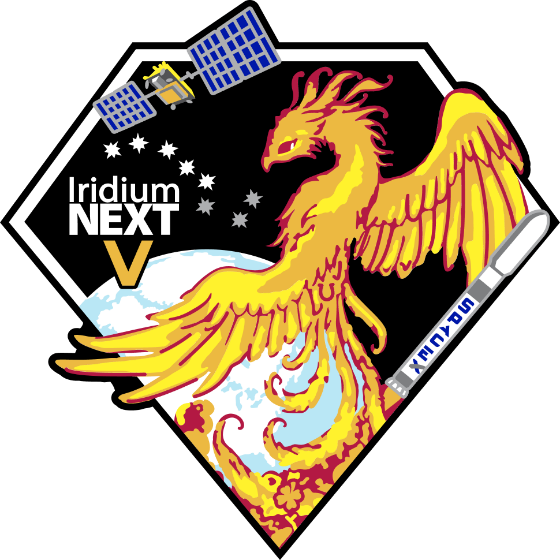
Our fifth launch patch celebrates the Iridium story. What does the phoenix on the patch represent? ___________
Clue #7:
From Beepers to Broadband
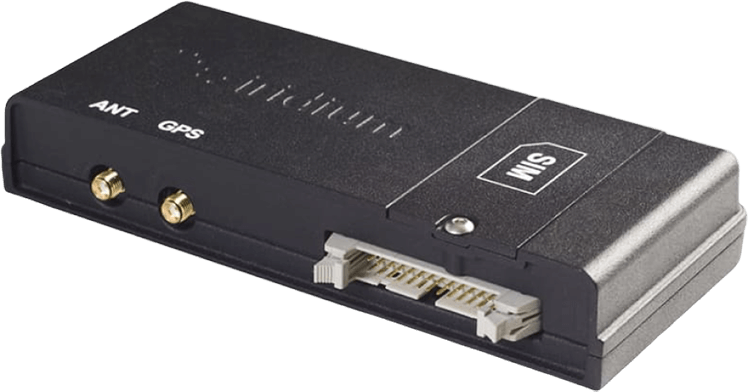
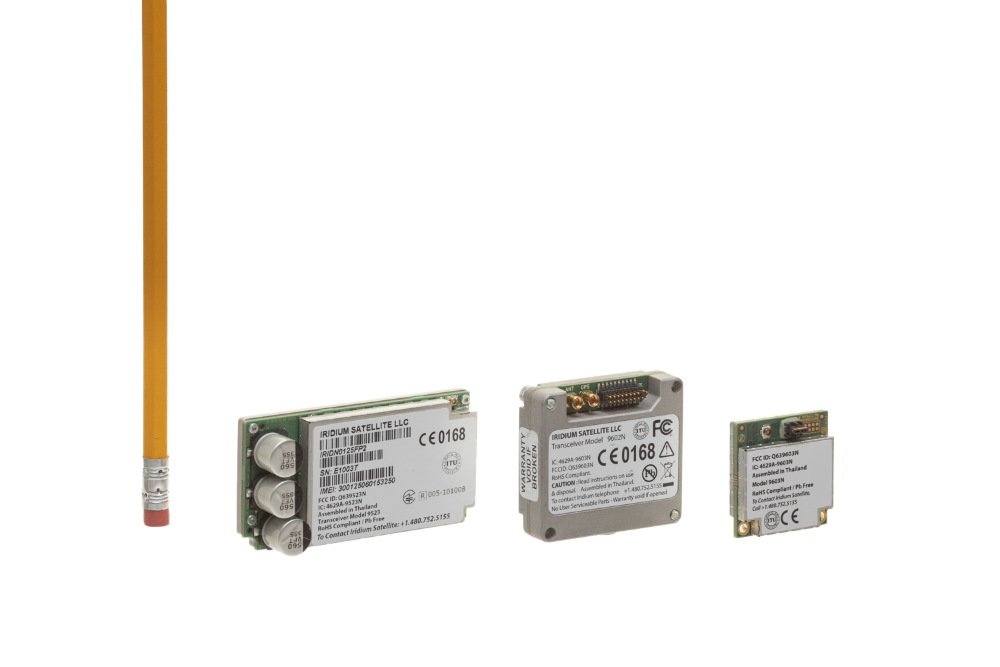
Smaller and lighter than the original, this product was Iridium’s second-generation L-Band transceiver designed to easily integrate into any specific application or vertical market.______________
Clue #8:
Iridium’s Next Step
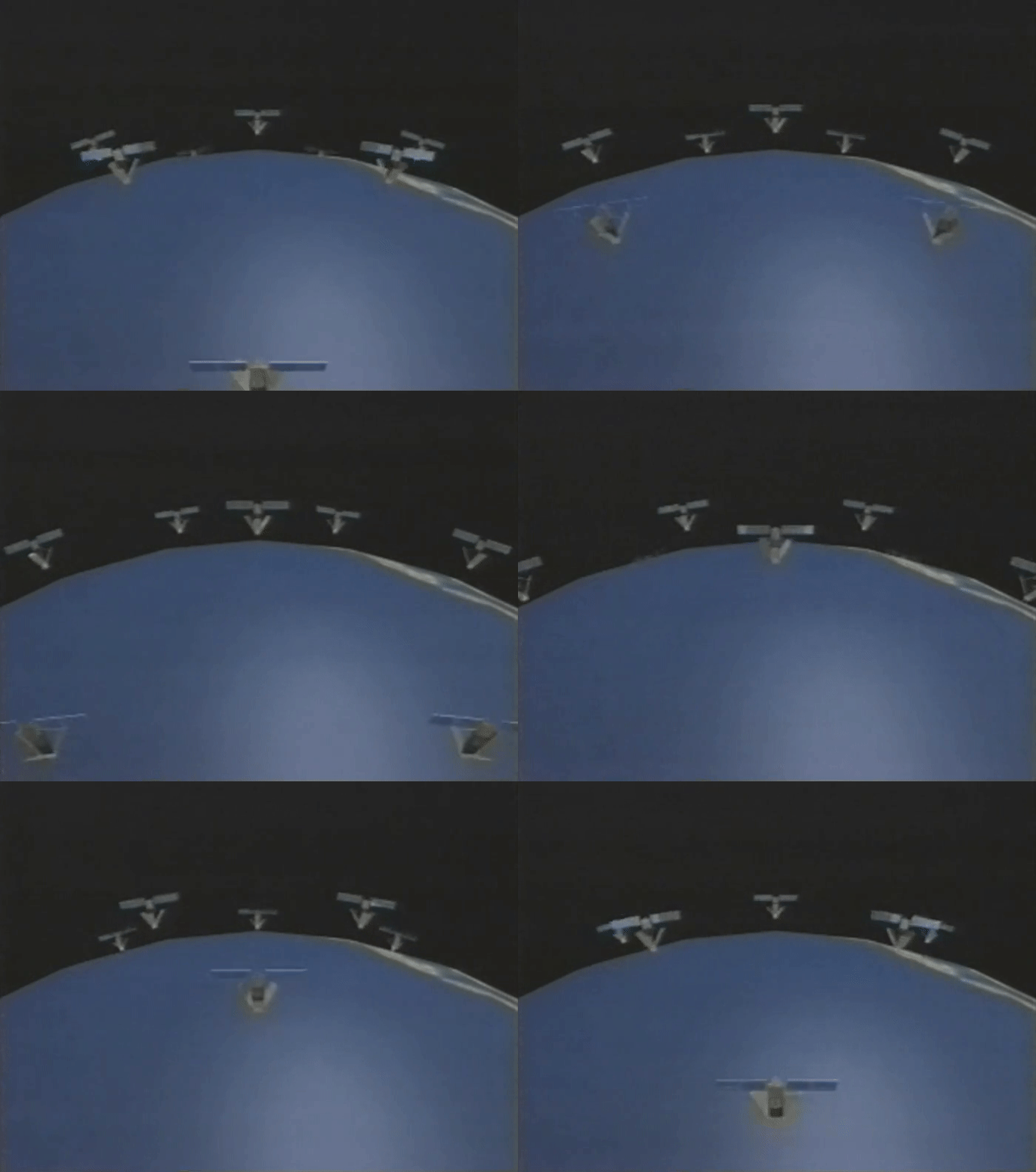
As part of Iridium NEXT, not only were the satellites replaced but the accompanying ________ ________ (two words) was upgraded as well.
Clue #9:
Building a Sustainable Space
When replacing the NEXT generation satellites, the engineers at the SNOC initiated “slot swaps” and deorbited the legacy satellites, which took anywhere from a few ________ to a few ________ before it burned up on reentry.
Clue #10:
Iridium in the Spotlight
In 2019, which Iridium device helped keep the main character of this movie connect with her parents while traveling in search of Parapata, the lost city of gold? ____________
The Engineering Projects in Community Service program, known as EPICS, is a national award-winning social entrepreneurship program that enables ASU students to design, build and deploy systems to solve engineering-based problems for charities, schools, and other not-for-profit organizations. These ASU students seek to solve problems on a global scale and explore ways they can solve technical challenges to make the world a better place. Iridium and the team at the Iridium Technical Support Center (TSC) in Chandler, Arizona have been working closely with the EPICS team to support their various projects. There are currently about 300-400 students in 50 different EPICS teams with a variety of goals, with each project focusing on using technology to improve lives.
Learn more about a few of the EPICS projects Iridium is directly supporting:
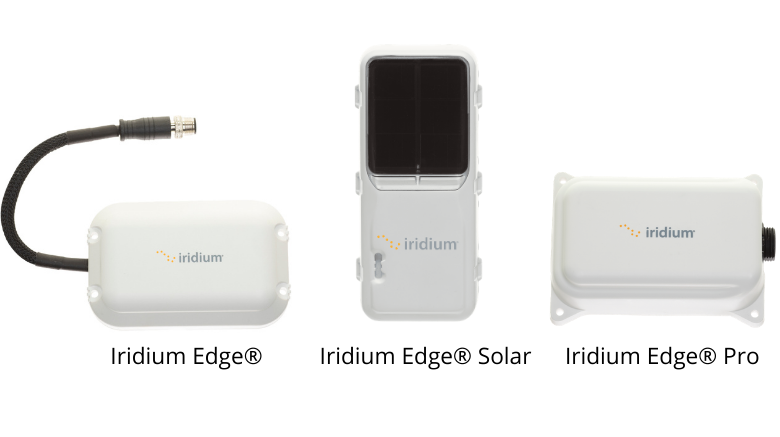
The ASU EPICS 33Buckets team provides clean drinking water to people in Peru, led by Dr. Mark Huerta, a chemical engineer who designed the purification process. After learning more about the initiative, Iridium knew it could lend support to help the project. Iridium gave the team an Iridium Edge® Pro IoT device, and are providing the test account, provisioning and tech support for the project. With the dedicated IP address, a team member on their phone with the Graphical User Interface (GUI) can monitor the purification process, ensuring the water stays clean.
Bridge2Africa, another EPICS teams, discovered a school for the visually impaired in Johannesburg, South Africa that previously didn’t have access to the internet. The team worked to design and protype a Braille keyboard that enables the students to read the text, send information and utilize audio transcriptions. This has given them access to the internet for both education and entertainment, helping to remove the stigma of being visually impaired, and even inspiring them to pursue a career in programming.
The Wheels2Africa EPICS team is also working to improve lives in South Africa by designing, prototyping, and testing a ruggedized wheelchair for those who are mobility impaired. They are working to create a cost-effective reusable, and portable battery for its designs to replace expensive and bulky batteries that require frequent replacements and/or maintenance.
Another EPIC team Iridium is supporting first-hand is Stardust. The Stardust team is designing and prototyping a measurement device to determine the reusability of solar panels for renewable energy. Stardust has two missions: diverting landfill waste by providing free or low-cost supply removal and contributing to economic development of low-income communities.
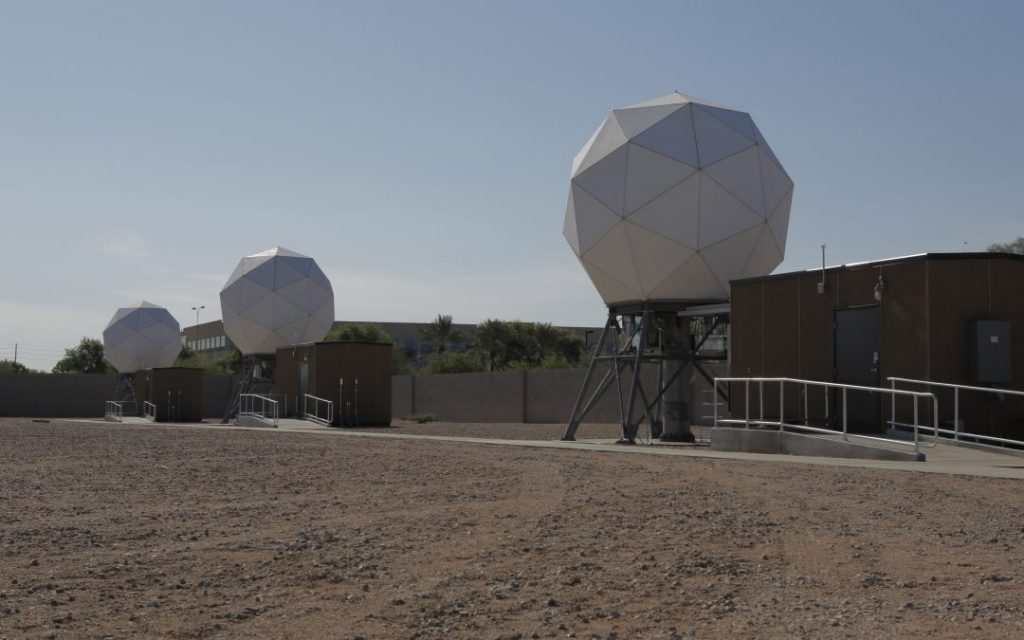
Photo: TSC Director Pete Fardelos shows ASU EPICS students around Iridium’s Technical Support Center in Chandler, AZ
Iridium employees from the TSC, including Paul Courville have used their extensive knowledge to provide guidance to the EPICS teams including finding vendors to support projects, completing circuit designs and analysis, and mentoring. “EPICS gives ASU students a way to apply what they’re learning in the classroom to the real world, preparing them to join the workforce,” says Paul. “Iridium is proud to offer mentorship and technological assistance to these projects, supporting the students who are creating solutions that give back to the global community.”
The Internet of Things (IoT) is a world in and of itself with “smart” technology impacting nearly all facets of society. When the average person thinks about IoT, examples such as connected thermostats, home security systems and cars come to mind, but this is just the tip of the iceberg.
Modern-day businesses and organizations rely on IoT to enable millions of intelligent data conversations, helping them track, monitor and manage assets; ensure the safety of their workers, and improve remote operations. To many people, it may come as a surprise that because of IoT technology, critical elements of our economy, such as the global supply chain, can be managed remotely. For instance, trucks carrying perishable goods can be monitored in real time, and merchant ships can be piloted from the safety of the shore, and it’s all made possible by some form of connectivity. But since cellular coverage only reaches approximately 15 percent of the planet, technology developers have had to find ways to extend their reach beyond the limits of terrestrial infrastructure. This need led more and more companies to look to satellite communications to create coverage continuity, and as a result, a new IoT category emerged – satellite IoT.
Satellite IoT gives organizations the peace of mind that no matter where their assets are, the ability to reliably monitor, track and manage application connectivity is available. As the only commercial satellite constellation capable of delivering true global coverage, Iridium is at the forefront of this industry. The Iridium® network is uniquely qualified to provide global satellite IoT services due to its network architecture of 66 Low Earth Orbit (LEO) satellites, blanketing the earth with reliable and ubiquitous coverage.
Examples of satellite IoT usage can be found across all industry verticals from the maritime market to machine-to-machine (M2M) applications in transportation, agriculture, oil and gas, utilities and construction, among many others. To help paint a clear picture of how satellite IoT is used today, let’s explore the heavy equipment market. Many of the world’s largest heavy equipment Original Equipment Manufacturers (OEMs) rely on Iridium’s satellite IoT solutions to remotely monitor and manage deployed assets. For instance, Kobelco Construction Machinery (KCM) recently partnered with Iridium to integrate Iridium’s two-way satellite communications into its hydraulic excavator machinery, heavy equipment, and remote asset management platform. Through the addition of Iridium IoT services, KCM equipment is now fitted with truly global coverage for the first time. Additionally, KCM deployed assets can be programmed to automatically deliver recurring telematics information like engine performance, run time, fault diagnostics, and other maintenance related data to customers through critical, real-time, actionable reports and alerts.
Image: (left to right) pencil for scale, Iridium Core 9523, Iridium 9602, Iridium 9603
The OEM market is just one example, and due to its flexibility, satellite IoT can be incorporated into technology applications across any industry, including autonomous systems or un-crewed vehicles, railroads, animal tracking, weather sensors and more. Developers can look to satellite IoT solutions to augment existing applications, extending their reach beyond cellular coverage, and can pursue business opportunities previously not possible due to connectivity limitations. To help simplify the development phase, Iridium products such as developer kits and hardware-ready devices make a fast time to market possible for those new to satellite IoT and looking to incorporate satellite into existing or new applications.And with services like Iridium CloudConnect, back-office functions are simplified with AWS integration, making extending the reach of your services even easier.
As satellite IoT continues to be embraced, we can expect to see new applications emerge at a rapid pace. As an industry, providing access to reliable and robust connectivity will be our most important job, and at Iridium, we can look forward to being the backbone of innovation for years to come.